Four explainers, one plain-language method

What We Offer

Each section below covers a category of precision agriculture tool: what it is, how it is generally used, and what to weigh before adding it to a small operation.

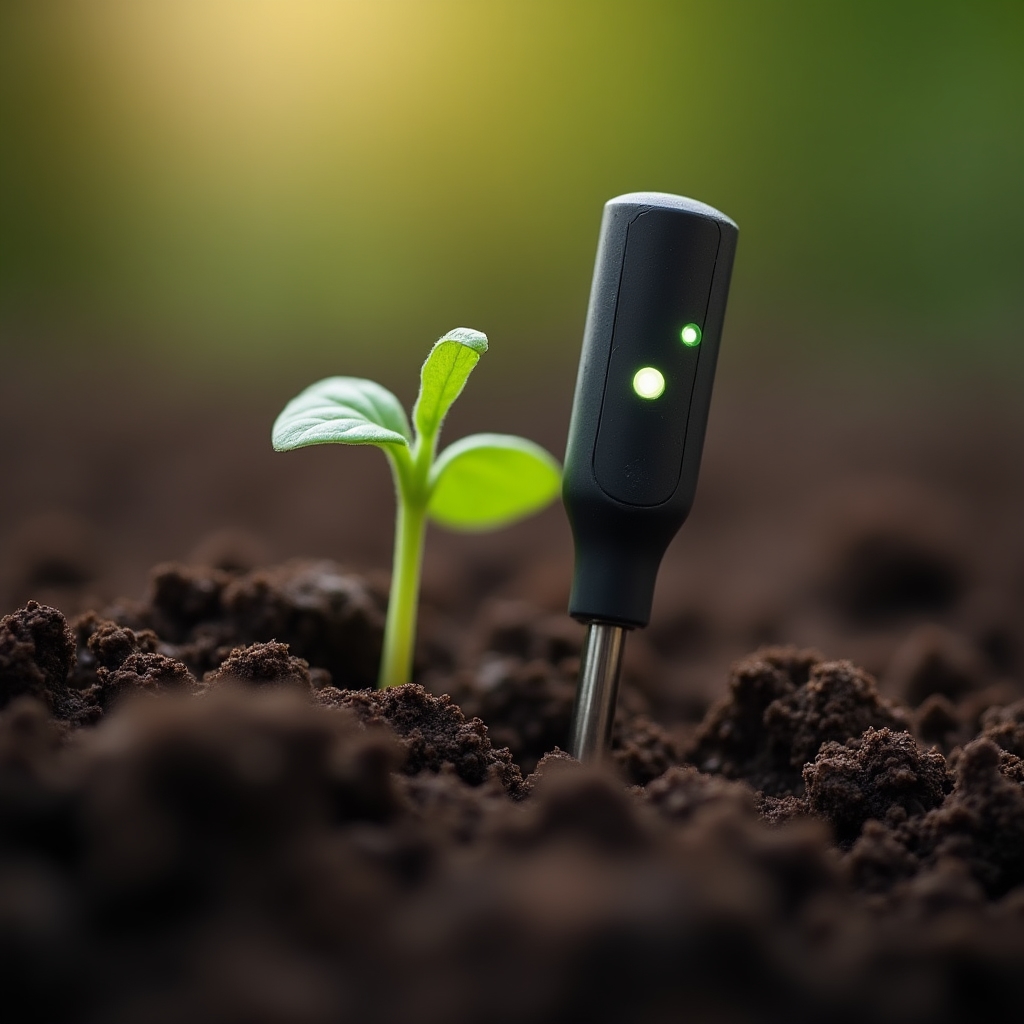
A soil moisture sensor probe placed in soil next to a small plant seedling
01

Soil Sensors, Explained

A soil sensor measures conditions below the surface, most commonly moisture, sometimes temperature or nutrient levels as well. It reports numbers you can check on a small display or a phone rather than relying on guesswork by hand.

We cover the difference between single-point and multi-depth sensors, how placement affects accuracy, and how many sensors a plot of one or two hectares typically needs to get a useful picture without overspending.
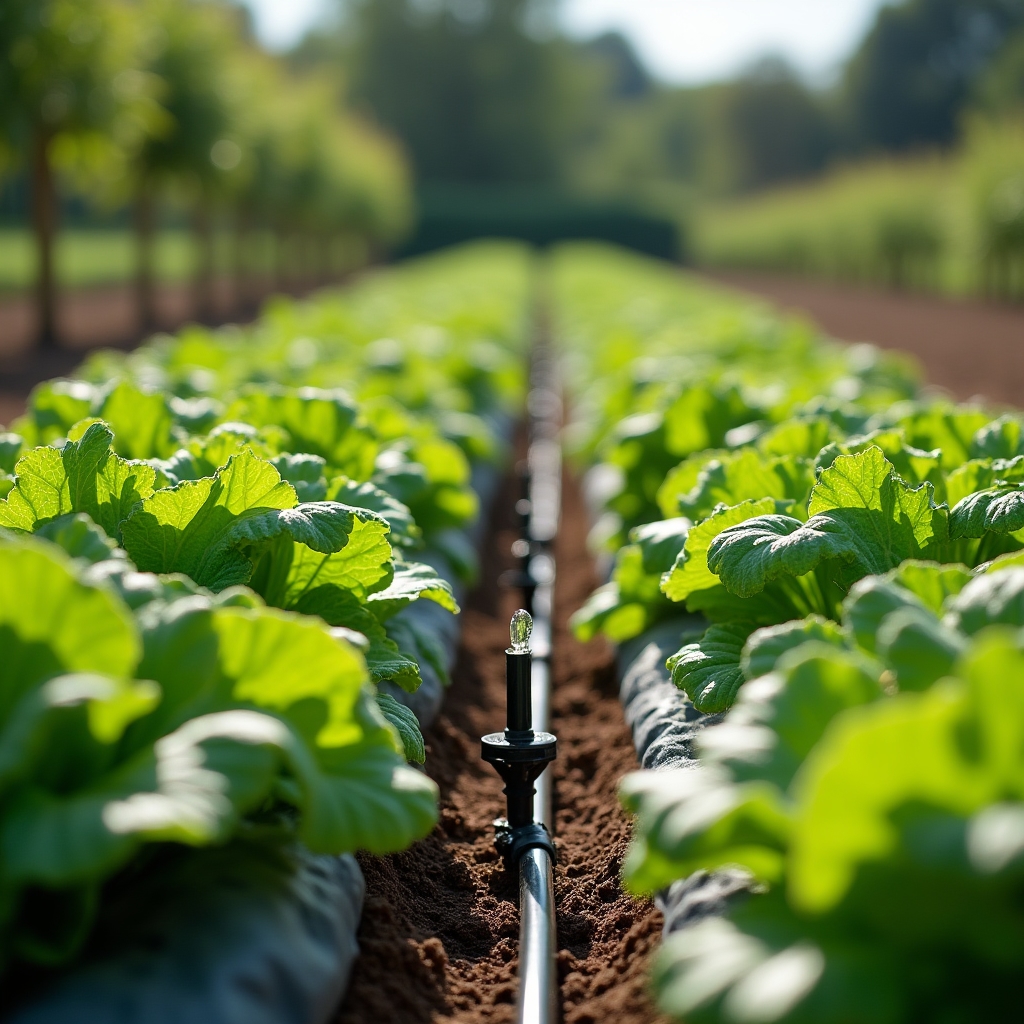
Automated drip irrigation tubing feeding water to rows of leafy vegetables in a small plot
02

Automated Irrigation, Explained

Automated irrigation replaces manual valve turning with timers or sensor-triggered schedules. Water moves through drip lines or sprinklers at set times or set moisture thresholds, without someone standing at the tap.

We walk through basic timer setups, sensor-linked systems, and the maintenance habits that keep small systems from clogging or leaking over a growing season.

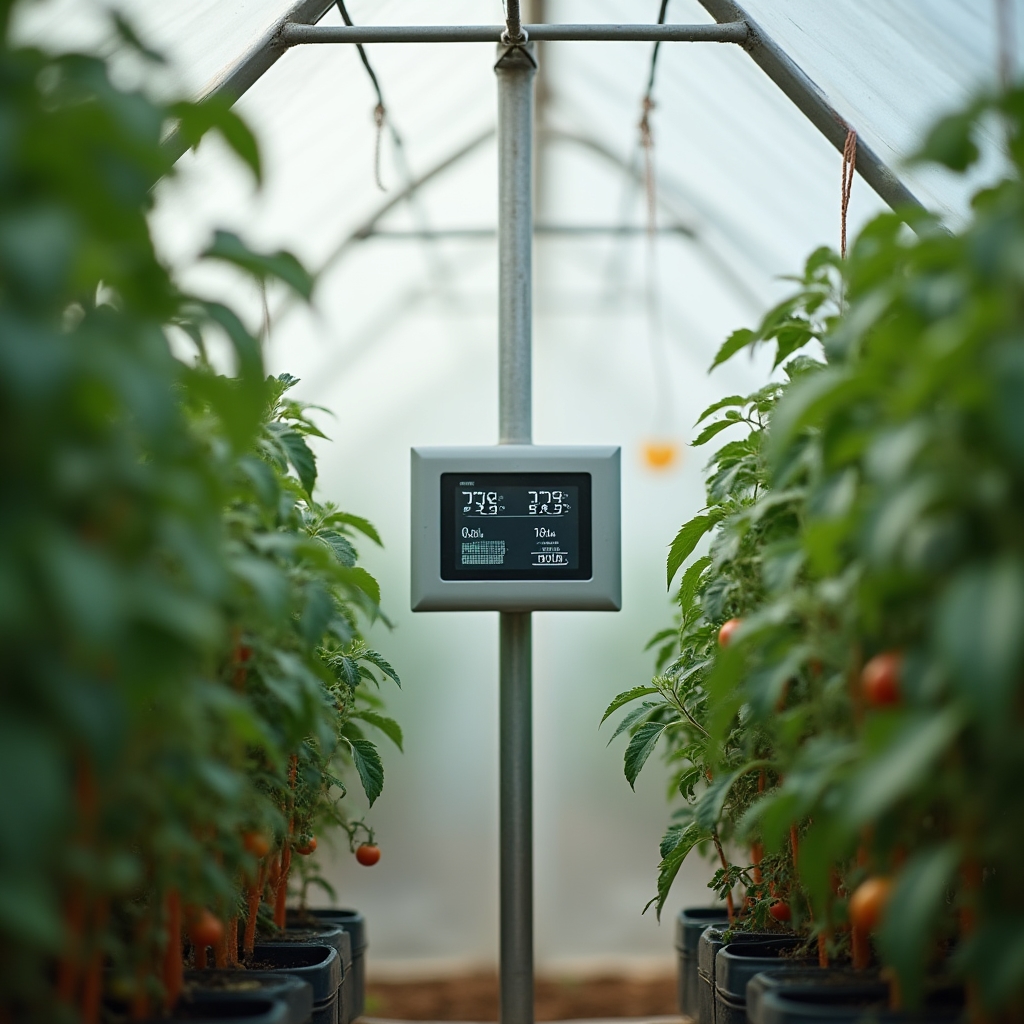
A wall-mounted monitoring panel in a small greenhouse showing temperature and humidity readouts
03

Monitoring Tools, Explained

Monitoring tools gather readings from sensors, cameras, or weather instruments and present them somewhere you can check, usually an app or a simple dashboard. Some send alerts when a reading crosses a threshold you set.

We explain the difference between basic logging tools and tools that send active notifications, along with realistic expectations for connectivity in rural areas with limited signal.

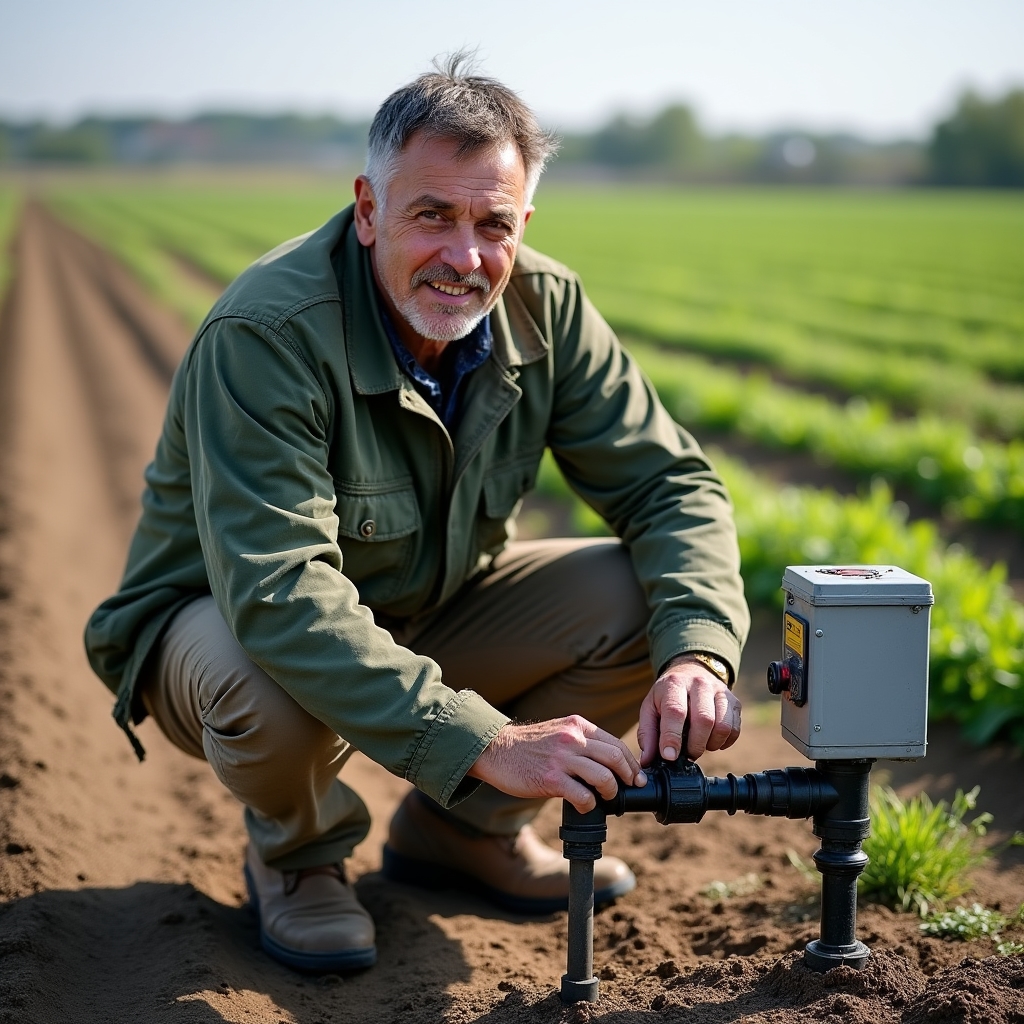
A farmer crouching to check an irrigation valve and control box at the edge of a field
04

Getting Started Resources

Beyond individual tools, we put together short guides on sequencing decisions: which tool to consider first, how to budget time for learning a new system, and how to evaluate whether a tool is worth keeping after one season.

These resources are meant to be read before a purchase, not after, so the questions arrive while they are still useful.

Common questions

A few things people ask before starting

Do I need internet access at the field to use these tools?

Many sensors and irrigation controllers store readings locally and sync when a connection becomes available, often through a phone brought near the field. Continuous connectivity is not always required, though it does affect how current your data is.

Is it possible to start with just one sensor?

Yes. A single soil moisture sensor placed in a representative part of a plot can offer a reasonable starting point before expanding coverage. We discuss placement strategy in the Soil Sensors section.

How much technical setup is usually involved?

This varies by product, but many consumer-oriented sensors and irrigation timers are designed for setup without professional installation. Automated systems tied to existing plumbing sometimes require more preparation.

Can these tools work alongside traditional methods?

Generally, yes. Many small operations use sensor readings as one input alongside experience and visual inspection, rather than replacing established routines entirely.

Where can I find product recommendations?

This resource focuses on explaining how tools work rather than recommending specific brands or retailers. Local agricultural extension offices or cooperatives are often a good next step for product-specific questions.