
An educational resource for small-scale growers
CLARITY
Soil sensors, automated irrigation, and monitoring tools, explained in plain language for people running modest farming operations.
Explore the basics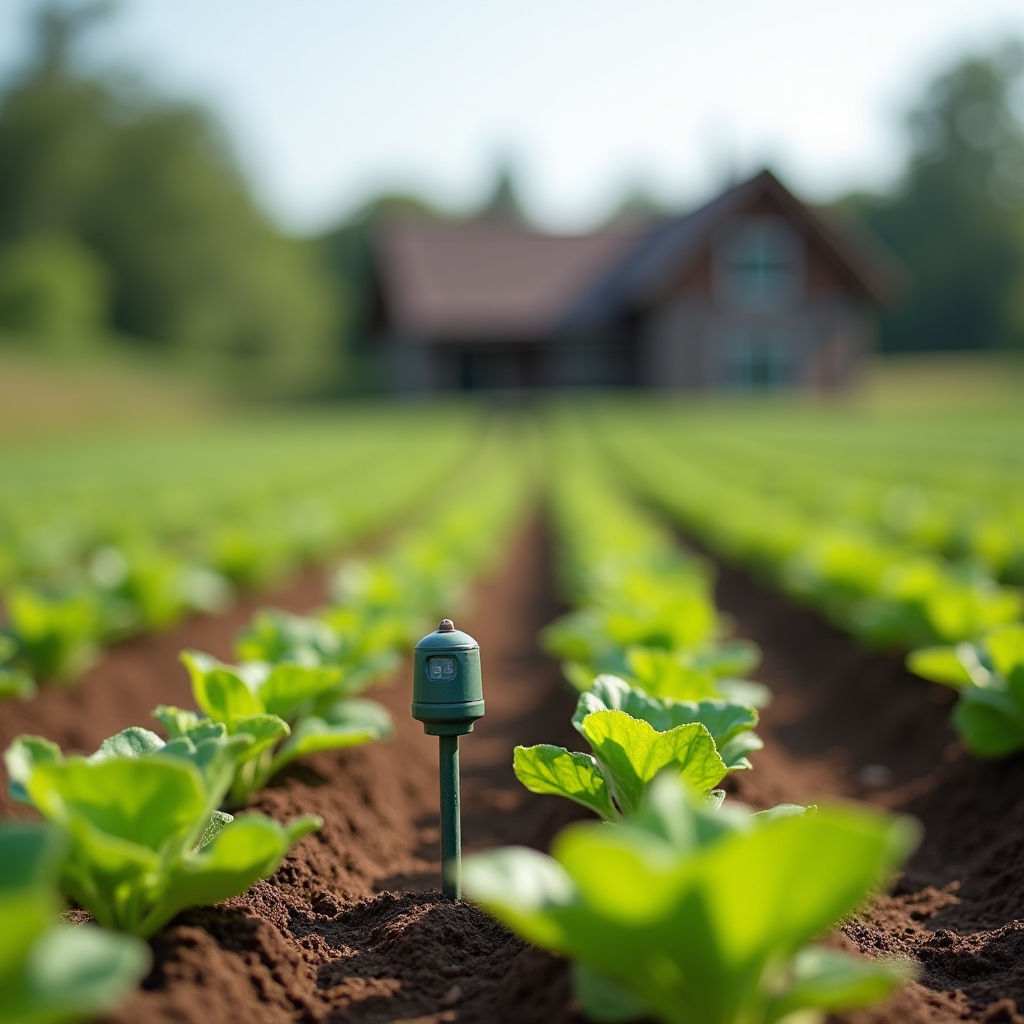
Why this resource exists
Precision farming tools were not built with a manual for small plots in mind
Most guides on soil sensors and automated irrigation are written for large operations with dedicated staff and generous budgets. That leaves a gap for the person tending two hectares, a family orchard, or a market garden on the edge of town.
This site walks through what these tools actually do, how they tend to be used, and what questions are worth asking before bringing any of them onto a small property. Nothing here assumes prior technical training.
We keep the language ordinary on purpose. If a term needs a dictionary, we explain it the first time it appears and skip it after that.
Four subjects, one plain-language approach
The tools we explain
Each topic below is covered the same way: what it is, how it generally works, and what it tends to cost in time and attention on a smaller property.
Soil Moisture Sensors
These small probes sit in the ground and report how much water is actually present at root depth. We explain the common types, how deep they usually need to go, and how to read the numbers without a background in soil science.
Automated Irrigation Systems
These setups turn water on and off based on schedules or sensor readings instead of manual valve turning. We explain the parts involved, the typical setup process, and where small systems tend to run into trouble.
Remote Monitoring Tools
These apps and dashboards let you check field conditions from a phone rather than walking every row. We explain what data they usually collect, how notifications work, and what to expect from connectivity in rural areas.
Weather & Data Tracking
Small weather stations and rainfall loggers help connect what happens in the sky to what happens in the soil. We explain how this data pairs with sensors and irrigation to build a fuller picture over a season.
Who this is written for
If your operation fits on a single walk-through, this is for you
Maybe you grow vegetables on a hectare or two. Maybe you keep a family orchard going between other jobs. Maybe you inherited land and are trying to figure out what modern tools actually offer, beyond the marketing language.
This resource is aimed at exactly that range of operation. Nothing here requires an agronomy degree or an existing budget for consultants. It is written for people who want to understand a tool before deciding whether it earns a place on their land.
Read our approach
Browse visually
Explore by topic
-
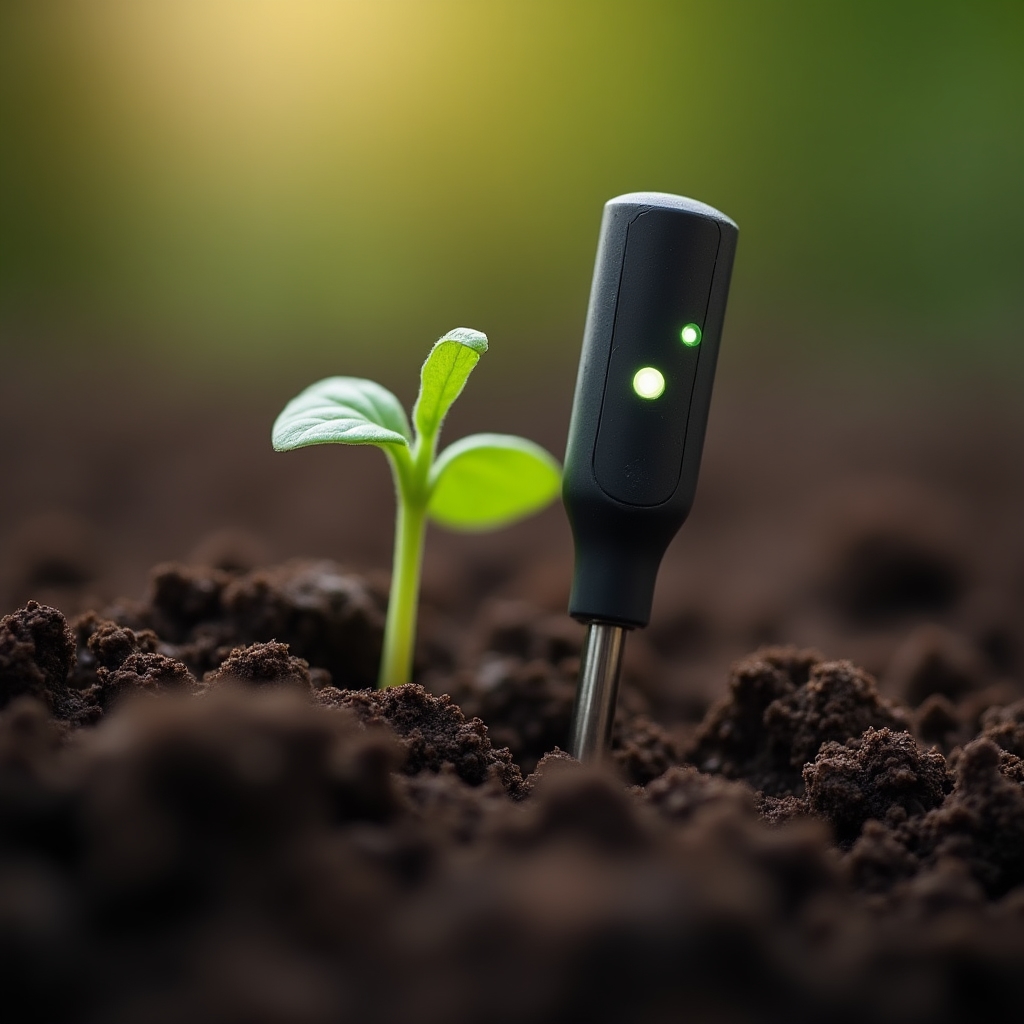
Reading Your Soil
What sensor numbers mean and how often to check them.
-
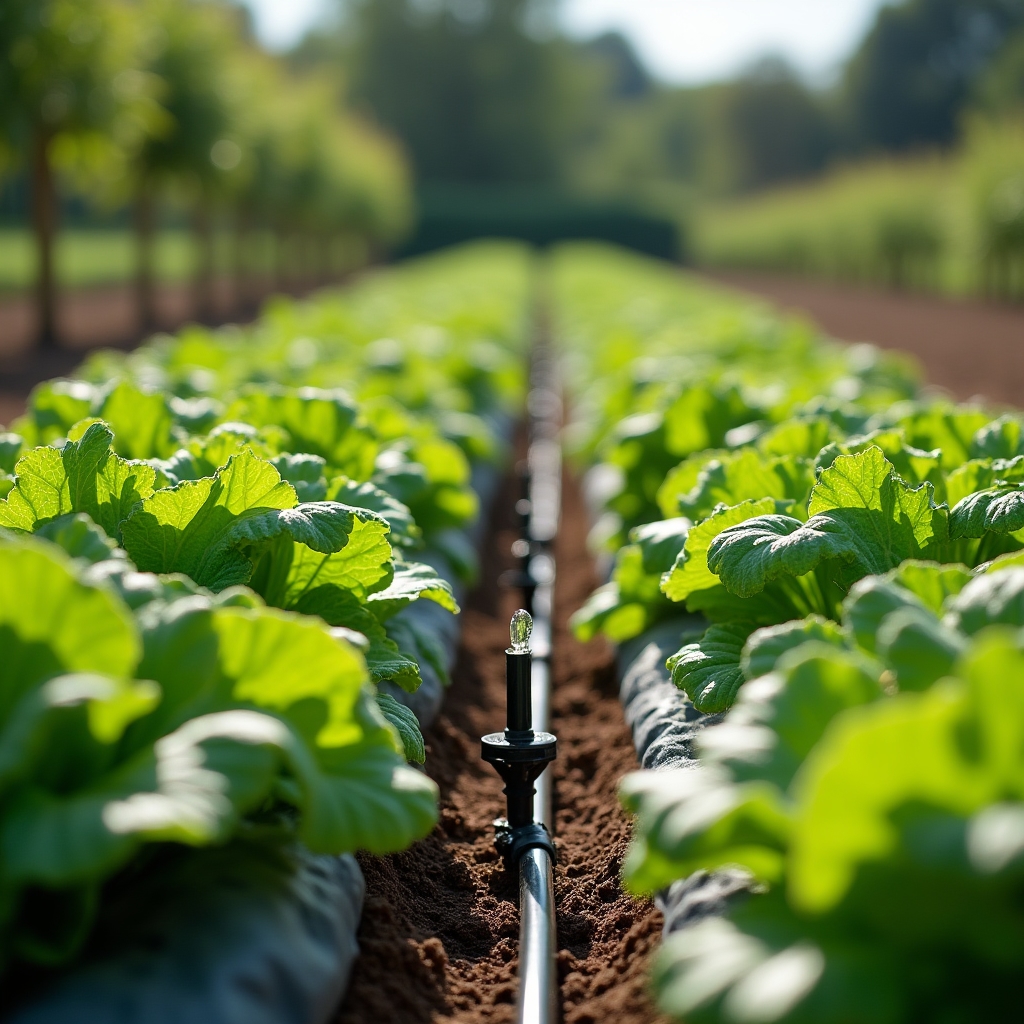
Watering On A Schedule
How automated drip and sprinkler timing generally works.
-
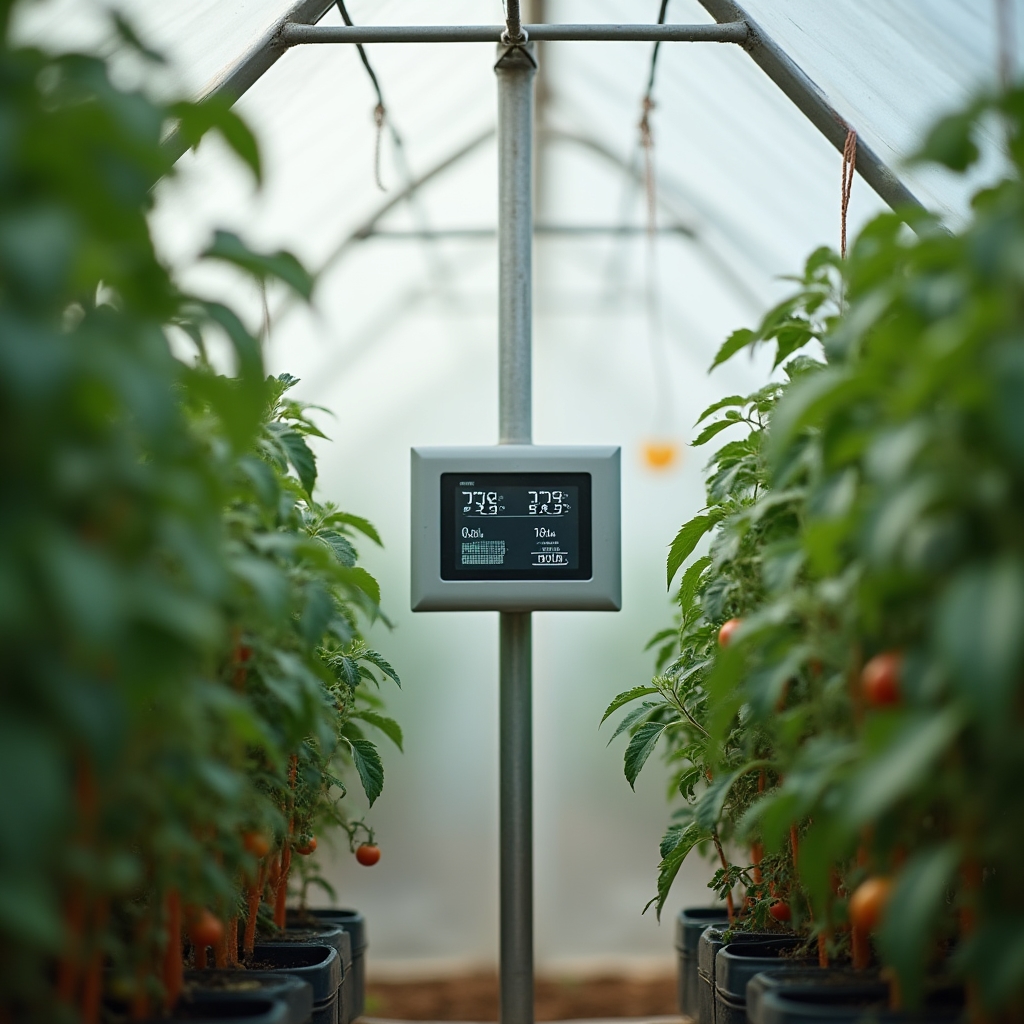
Watching Conditions Remotely
What monitoring dashboards show and how alerts work.
-
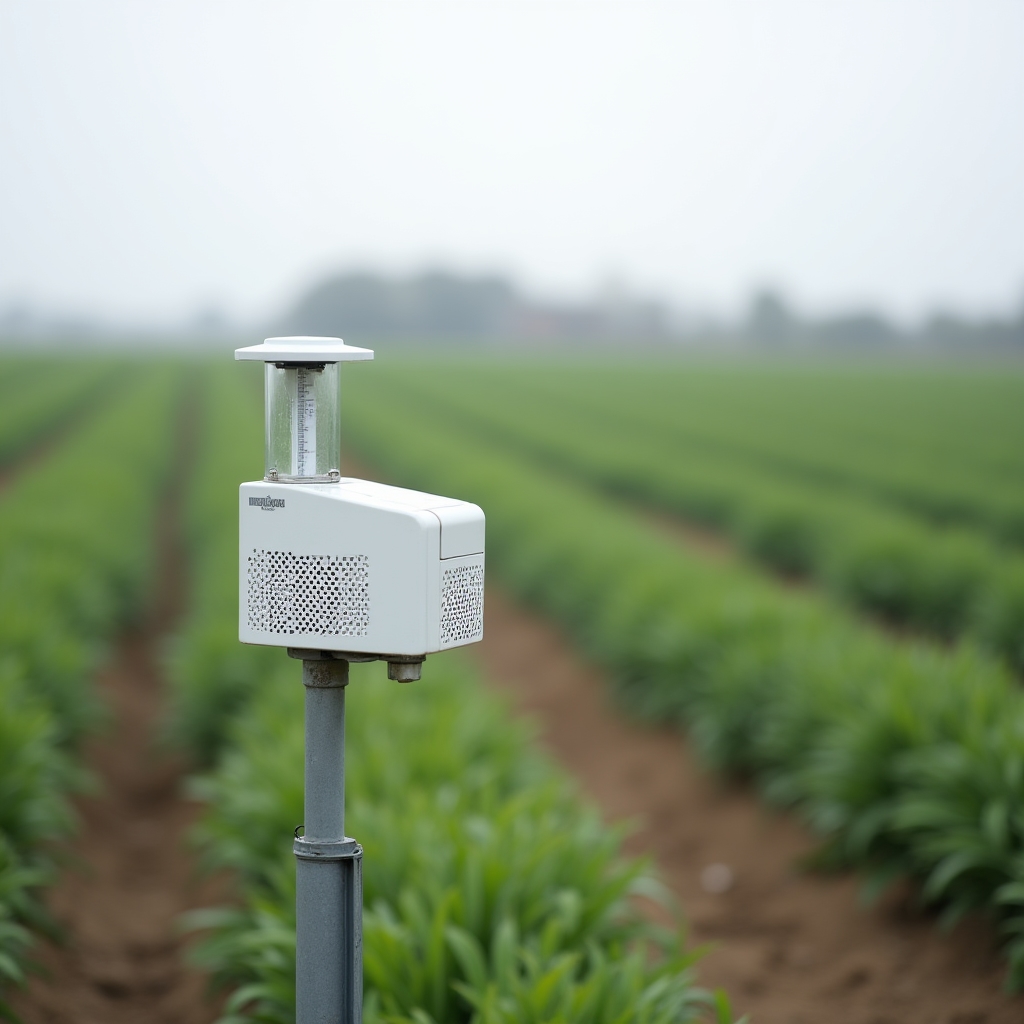
Tracking Weather Patterns
Why rainfall and temperature logs matter for small plots.
Not sure where to begin?
Where to Start walks through a simple order of questions to ask before choosing any tool, without pushing you toward a particular product or brand.
See the starting steps