
Clarity over complexity
We explain a soil sensor the way we would to a neighbor leaning on a fence, not the way a manufacturer explains it in a product sheet. If a sentence needs a second reading, we rewrite it.
What guides this resource
Four ideas shape every page on this site, from how we describe a soil sensor to how we answer a question by email.
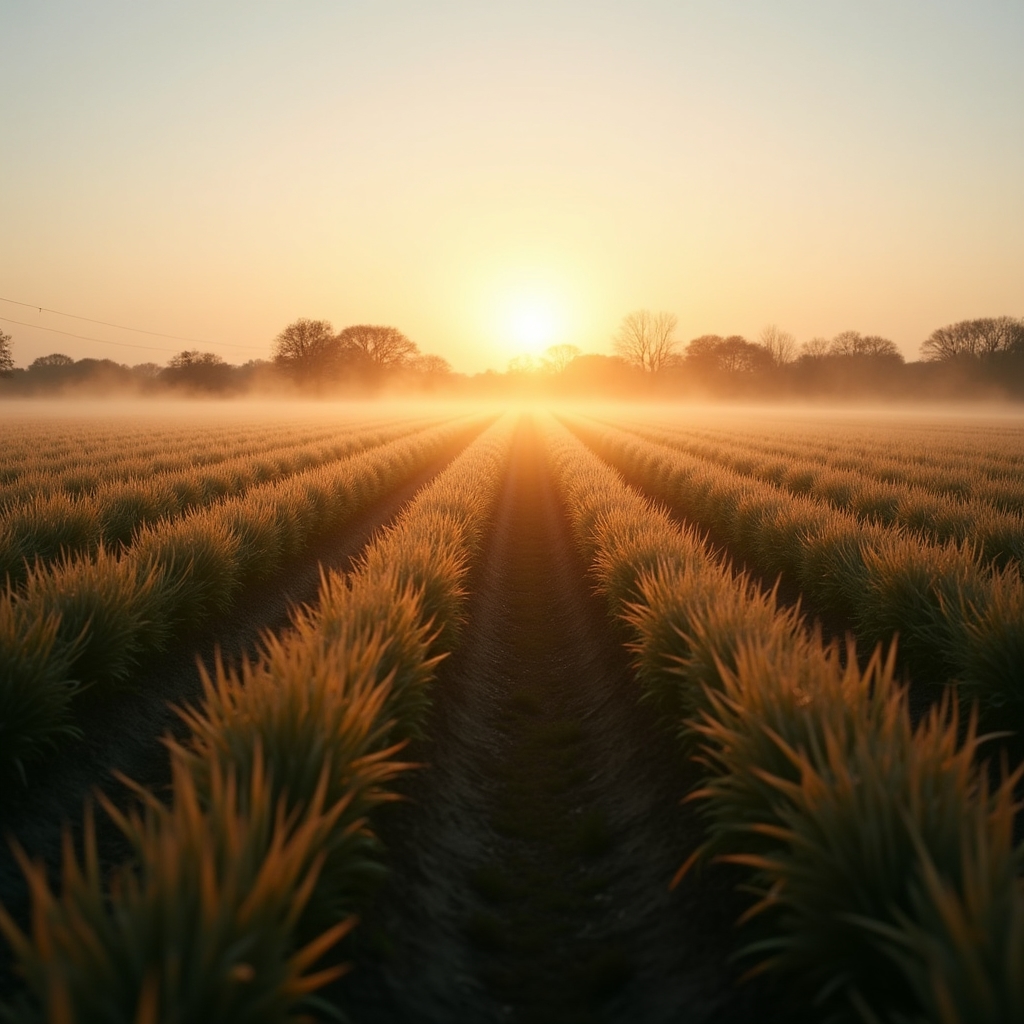
We explain a soil sensor the way we would to a neighbor leaning on a fence, not the way a manufacturer explains it in a product sheet. If a sentence needs a second reading, we rewrite it.
We describe how automated irrigation generally works without steering readers toward one brand or supplier. Decisions about specific equipment belong to the person who will use it.
We write with a one or two hectare plot in mind, not a five hundred hectare estate. Tools, costs, and setup steps are framed at a scale that matches smaller land and smaller budgets.
We focus on what a monitoring tool does day to day rather than the engineering behind it. Background theory appears only when it helps someone use the tool with more confidence.
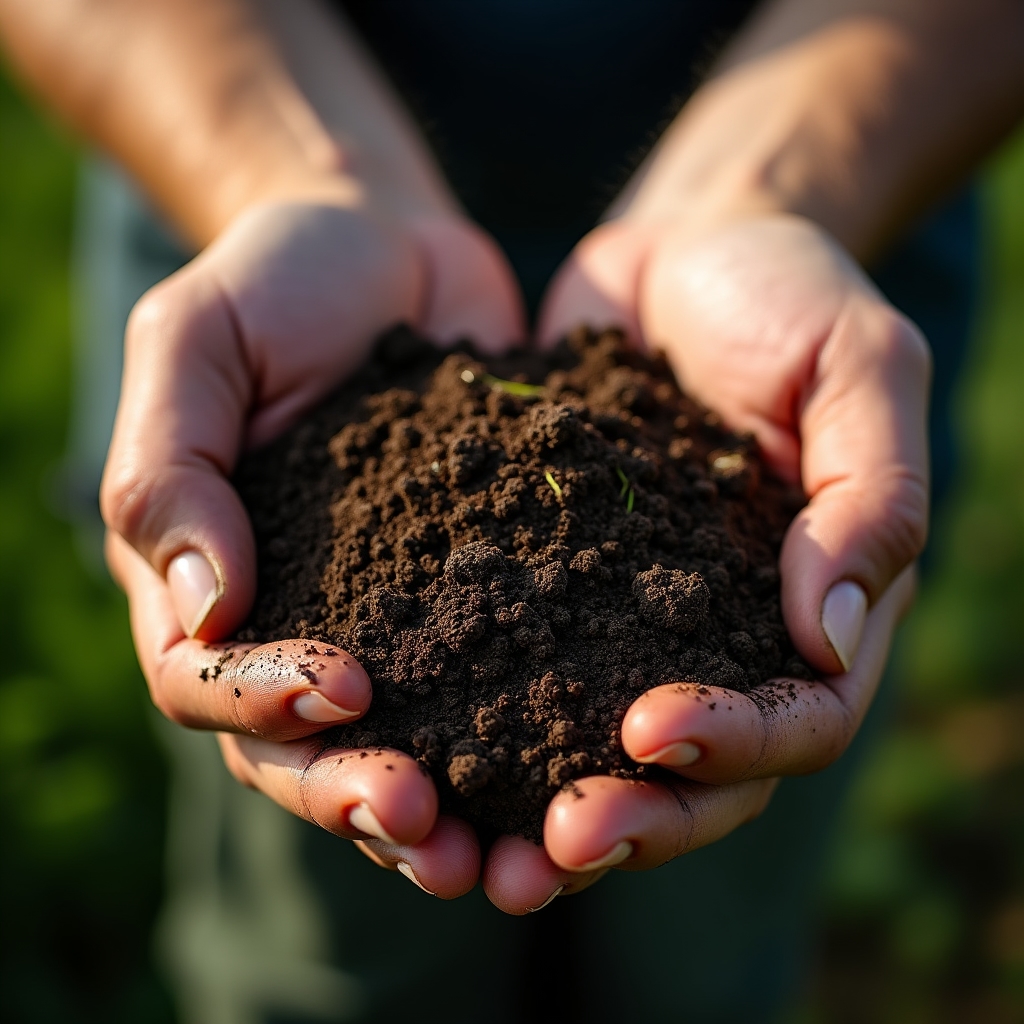
How we write
Before writing about a sensor or a scheduling app, we look at the kinds of questions people bring to agricultural extension offices, community workshops, and online forums. That keeps the content grounded in real uncertainty rather than abstract product features.
We revisit pages periodically. Precision agriculture tools change, and the plain-language explanation needs to change with them. A page that gets outdated is not doing its job, so we keep an eye on that.
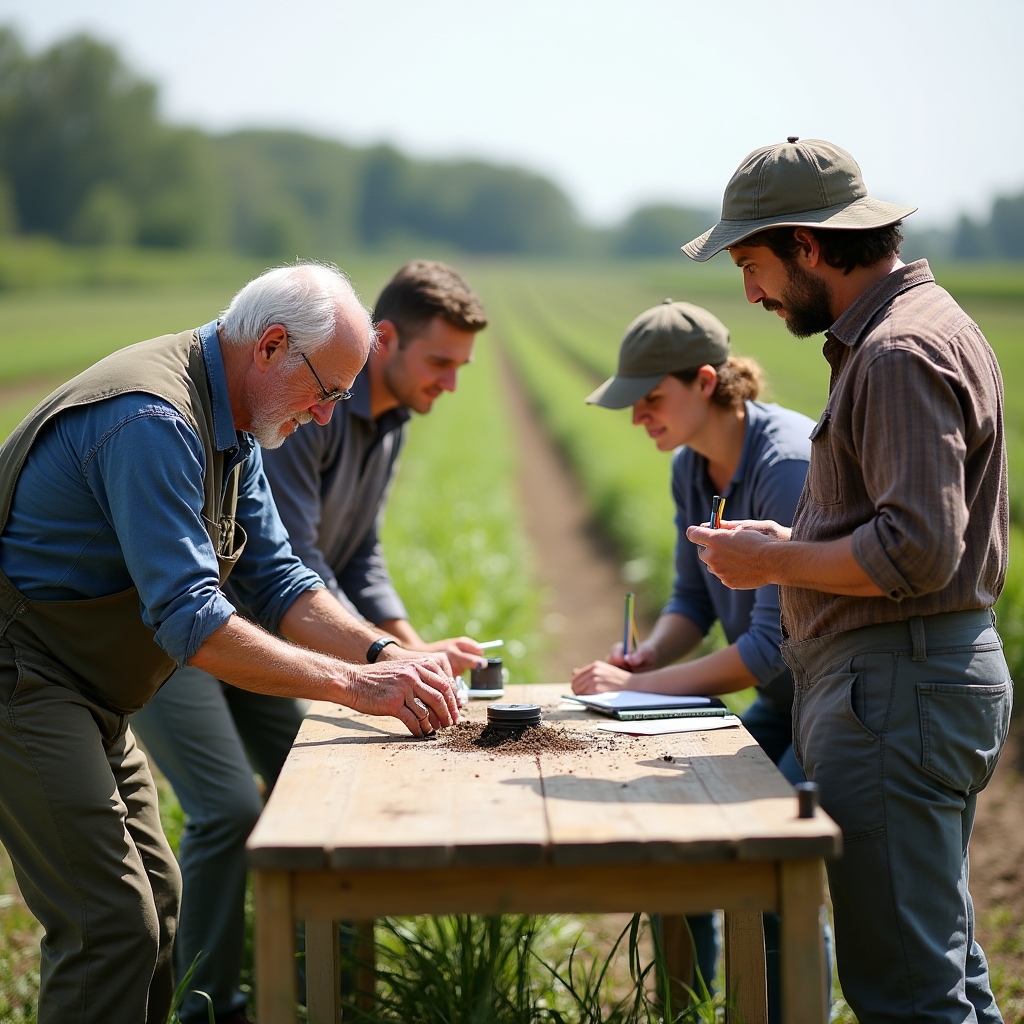
Where the questions come from
Much of what appears on this site began as conversations at local workshops and cooperative meetings, where growers compared notes on what worked and what did not.
We are not a research institution and we do not run trials. Our role is closer to translation: taking what is already known about these tools and putting it into language that does not require a technical background to follow.
See what we cover